Seasonal Effects on Hair Health: What You Need to Know
Oct 28, 2026
Overview
Seasonal changes can take a toll on your hair, affecting its health and appearance throughout the year. By understanding the specific challenges each season brings—from winter dryness to summer humidity—you can implement effective care strategies. Tailoring your hair care routine to these seasonal shifts will help keep your locks vibrant, strong, and healthy no matter the weather.
Table of Contents
- Understanding Seasonal Changes and Hair Health
- Winter: The Impact of Cold and Dry Air
- Spring: Renewal and Refreshment
- Summer: The Effects of Heat and Humidity
- Autumn: The Transition and Shedding
- Seasonal Hair Care Tips to Nourish Your Locks
- The Role of Nutritional Support in Hair Health
- Hair Care Throughout the Year: A Comprehensive Strategy
- Consistency is Key to Hair Health
Key Takeaways
- Seasonal Changes Affect Hair Health: Hair condition varies with seasons due to temperature and humidity fluctuations.
- Winter Challenges: Cold air leads to dryness, increased shedding, and static electricity; use humidifiers and hydrating products.
- Spring Considerations: Allergies and enhanced oil production can affect hair; use clarifying shampoos and lightweight conditioners.
- Summer Precautions: Protect hair from UV damage and humidity-induced frizz by wearing hats and staying hydrated.
- Autumn Shedding: Increased hair shedding occurs; limit chemical treatments and consider hair vitamins for nourishment.
- Holistic Hair Care: Maintain hydration, adjust hair care routines seasonally, and ensure regular trims for healthy hair.
- Nutritional Support: Supplements like biotin and zinc can enhance hair health and combat shedding.
Pros and Cons
| Advantages of Seasonal Hair Care | Drawbacks of Seasonal Hair Changes |
|---|---|
| Enhances hair health by addressing specific seasonal challenges. | Seasonal changes can lead to increased hair shedding and damage. |
| Allows for personalized hair care routines tailored to environmental conditions. | Dry air in winter can cause brittleness and breakage. |
| Encourages hydration and nourishing diets that benefit hair growth. | Humidity in summer may result in frizz and loss of style. |
| Promotes the use of protective styles to minimize environmental stress. | Allergies in spring can irritate the scalp, affecting hair health. |
| Regular trims help maintain healthy ends and overall appearance. | Increased oil production in spring can lead to greasy hair if unmanaged. |
Who It's For (And Not For)
Who It's For
- Individuals Experiencing Seasonal Hair Issues: If you notice changes in your hair's health with the shift of seasons, such as increased dryness in winter or frizz in summer, this guide is tailored for you.
- People Seeking Proactive Hair Care: Those who want to adopt a comprehensive approach to hair care, including adjusting routines based on seasonal changes, will benefit from the tips provided.
- Anyone Interested in Nutritional Support: If you're looking to enhance your hair health through diet and supplements, the nutritional insights shared will be valuable.
Who It's Not For
- Individuals with Stable Hair Health: If your hair remains healthy and resilient year-round without noticeable seasonal changes, you may not find this article as relevant.
- People Uninterested in Hair Care: If you do not prioritize hair maintenance or are not willing to adapt your routine, the strategies discussed may not resonate with you.
- Those Who Prefer Minimal Hair Care: If you prefer a very low-maintenance approach to hair care and do not want to experiment with products or routines, this content may not suit your needs.
As the seasons change, so do the effects on your hair health. Whether it’s the dryness of winter or the humidity of summer, fluctuations in temperature and humidity can significantly impact the condition and appearance of your hair. In this article, we’ll delve into the intricate relationship between seasonal changes and hair health, highlighting tips on how to manage these effects effectively.
Understanding Seasonal Changes and Hair Health
The intricate connection between the seasons and your hair may not always be evident, but understanding these seasonal effects can enhance your hair care routine remarkably. The environmental changes that accompany each season influence the structure, texture, and overall health of your hair. Here, we will explore the specific impacts observed during various seasons, and also provide actionable seasonal hair care tips to keep your locks looking and feeling their best.
Winter: The Impact of Cold and Dry Air
Winter months bring about crisper air and lower humidity levels, an environment that can lead to winter hair loss and significant dryness. Observing how your hair reacts to these colder months is crucial for maintaining its health. Here’s how winter affects hair health:
- Dryness and Breakage: Cold air can rob hair of its natural moisture, leading to brittle and lifeless strands.
- Increased Shedding: The stress that our bodies experience due to temperature changes can contribute to increased hair shedding.
- Static Electricity: Dry weather can cause more friction between hair strands, resulting in static and flyaways.
To combat these effects, consider the following winter hair care tips:
- Use a humidifier at home to add moisture to the air, aiding in the hydration of your hair.
- Employ rich, hydrating conditioners and oils to lock in moisture.
- Limit the use of heat styling tools to prevent additional dryness and breakage.
Spring: Renewal and Refreshment
As the snow begins to melt and warmer temperatures arrive, spring presents a period of renewal. Your hair may likely feel more invigorated, but this season also heralds its own set of challenges:
- Allergies: Pollen in the air can lead to scalp irritation, which may influence the overall health of your hair.
- Enhanced Oil Production: As temperatures rise, your scalp might produce more oil, leading to greasy hair if not managed well.
Spring hair care tips include:
- Using clarifying shampoos periodically helps remove buildup caused by allergens and excess oil.
- Incorporate lightweight conditioners to avoid weighing hair down during this season of growth.
Summer: The Effects of Heat and Humidity
When summer rolls around, your hair faces new challenges caused by heat and humidity. The combination often results in frizz, limpness, and other issues:
- UV Damage: Just like your skin, your hair can suffer from sun damage, leading to color fading and overall weakness.
- Humidity Induced Frizz: High humidity levels can wreak havoc, leading to uncontrollable frizz and a loss of style.
Mitigating summer hair effects requires strategic approaches:

- Wear hats or use UV protection sprays to shield your hair from sun exposure.
- Stay hydrated; drinking plenty of water can help maintain moisture balance in your hair.
Autumn: The Transition and Shedding
As autumn approaches, the transition marks a period of increased hair shedding for many people. Notably, this is often attributed to the hair growth cycle:
- Seasonal Shedding: Hair naturally sheds in cycles and many people notice increased shedding in the fall.
- Damage from Styling Products: Fall often brings a resurgence in styling practices, which can further weaken hair.
To minimize seasonal hair loss during autumn, consider these tips:
- Limit chemical treatments and embrace more natural styles, allowing your hair to breathe.
- Incorporate hair vitamins and supplements to nourish your hair from within, ensuring it receives adequate nutrients during this shedding period.
Seasonal Hair Care Tips to Nourish Your Locks
Beyond the individual seasons, a holistic approach to seasonal hair care is vital for maintaining healthy hair throughout the year. Here are some globally applicable tips that will keep your hair resilient no matter what the weather brings:
- Hydration is Key: Always stay hydrated, as moisture plays an integral role in hair health.
- Adjust Your Hair Care Routine: Tailor your shampoos, conditioners, and styling products according to seasonal needs.
- Regular Trims: Regularly trimming your hair helps to eliminate split ends and keeps it looking fresh.
- Diet and Nutrition: Nourishing your hair from the inside out by maintaining a balanced diet filled with vitamins and minerals will promote growth and strength.
- Protective Styles: Opt for protective hair styles that minimize exposure to environmental stressors.
The Role of Nutritional Support in Hair Health
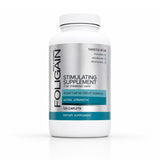
While external care is pivotal, internal support through nutrition cannot be overstated. Supplements can provide essential nutrients that your hair needs to thrive. For example, incorporating vitamins and minerals, such as biotin, zinc, and niacin, can support the normal hair growth cycle, comfort the scalp, and enhance overall follicle health. A supplement like the FOLIGAIN® Stimulating Supplement For Thinning Hair can complement a healthy regimen by delivering targeted nutritional support for those beginning to notice increased shedding or reduced volume.
Hair Care Throughout the Year: A Comprehensive Strategy
Crafting a year-round hair care strategy requires not only awareness of seasonal effects but also an understanding of your personal hair type and its unique needs. This means recognizing how various products affect your hair and adjusting usage according to external factors. Here are additional strategies for ensuring your hair remains healthy throughout the seasons:
- Experiment with New Products: Different seasons may require different products; don’t be afraid to try new moisturizers or styling aids.
- Research Ingredients: Look for ingredients that suit your hair type and specific concerns while steering clear of harsh chemicals that could exacerbate problems.
Consistency is Key to Hair Health
While seasons will change and their impacts on hair will vary, maintaining a consistent hair care routine is essential for achieving long-term hair health. Emphasizing hydration, nutrition, and protection can help ensure that your hair remains vibrant and full of life, despite the external changes.
Ultimately, understanding and adapting to seasonal changes can enhance your hair care strategies. By paying attention to the needs of your hair in each season and incorporating effective hair care practices, you'll be well on your way to enjoying healthy, stunning locks year-round.
Explore our full range of enriching support at FOLIGAIN® to find the best strategies and products for maintaining your hair health as you navigate through the seasons. With attention and care, you can continue to enjoy beautiful hair regardless of the season!
Frequently Asked Questions
1. How do seasonal changes affect hair health?
2. What are some hair care tips for winter?
3. What challenges does spring present for hair?
4. How can I protect my hair during summer?
5. What strategies can help maintain healthy hair year-round?
Glossary
| Term | Meaning |
|---|---|
| Hair Shedding | The natural loss of hair strands, often increased during seasonal changes. |
| Humidity | The presence of moisture in the air, affecting hair texture and frizz. |
| UV Damage | Harm caused to hair by sun exposure, leading to color fading and weakness. |
| Hydration | The process of maintaining moisture levels in hair for optimal health. |
| Clarifying Shampoo | A type of shampoo used to remove buildup from hair products and pollutants. |
| Protective Styles | Hairstyles that shield hair from environmental stressors and damage. |
| Split Ends | Frayed hair tips that occur due to dryness and damage. |
| Hair Vitamins | Supplements that provide essential nutrients to support hair growth and health. |
| Moisturizing Conditioner | A product designed to hydrate and nourish hair, preventing dryness. |
| Seasonal Hair Care | Adjusting hair care routines based on changing weather conditions. |
Linked Product

FOLIGAIN® Stimulating Supplement For Thinning Hair 120 Caplets
FOLIGAIN® Stimulating Supplement For Thinning Hair offers targeted nutritional support to promote healthy hair growth from within. This daily supplement combines a rich blend of vitamins, minerals, and botanicals to help maintain normal hair density and support scalp comfort. With a biotin-rich formula, it aims to strengthen and nourish hair, making it suitable for individuals concerned about thinning hair patterns.
View Product